Depending on the curriculum of each class, EPBI offers many different scholastic activities on top of regular classroom such as golf, Artistic expression, Musical Theatre Club…
Cycle 1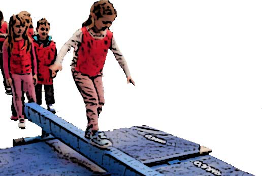
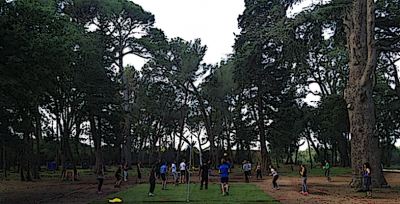
Sport in cycle 1 has 4 essential objectives for a child:
- Moving in space and on objects
- Adapting movement to various situations
- Communicating with others through activities and artistic expression Working together, cooperating, and defending in order to set up real strategies.
These specific physical activities suitable for 3-5 year olds contribute to the motor, sensory, emotional and intellectual development of the child. It is an opportunity to explore, to express oneself, to act in a familiar environment, then gradually do the same in a less familiar environment. Psychomotricity allows you to locate yourself in space.
Sport and Physical Education is taught by a qualified sports teacher.
Cycle 2 / Cycle 3 / Cycle 4
This programme is part of the common foundation of knowledge, skills and culture. Sport and PE programmes aim to acquire five main skills:
- develop motor skills and learn to express yourself using your body
- appropriate methods and tools, through physical and sports practice
- share rules, take on roles and responsibilities,
- learn to maintain your health through regular physical activity
- acquire physical, sporting and artistic knowledge.
Art classes from CP to CM2
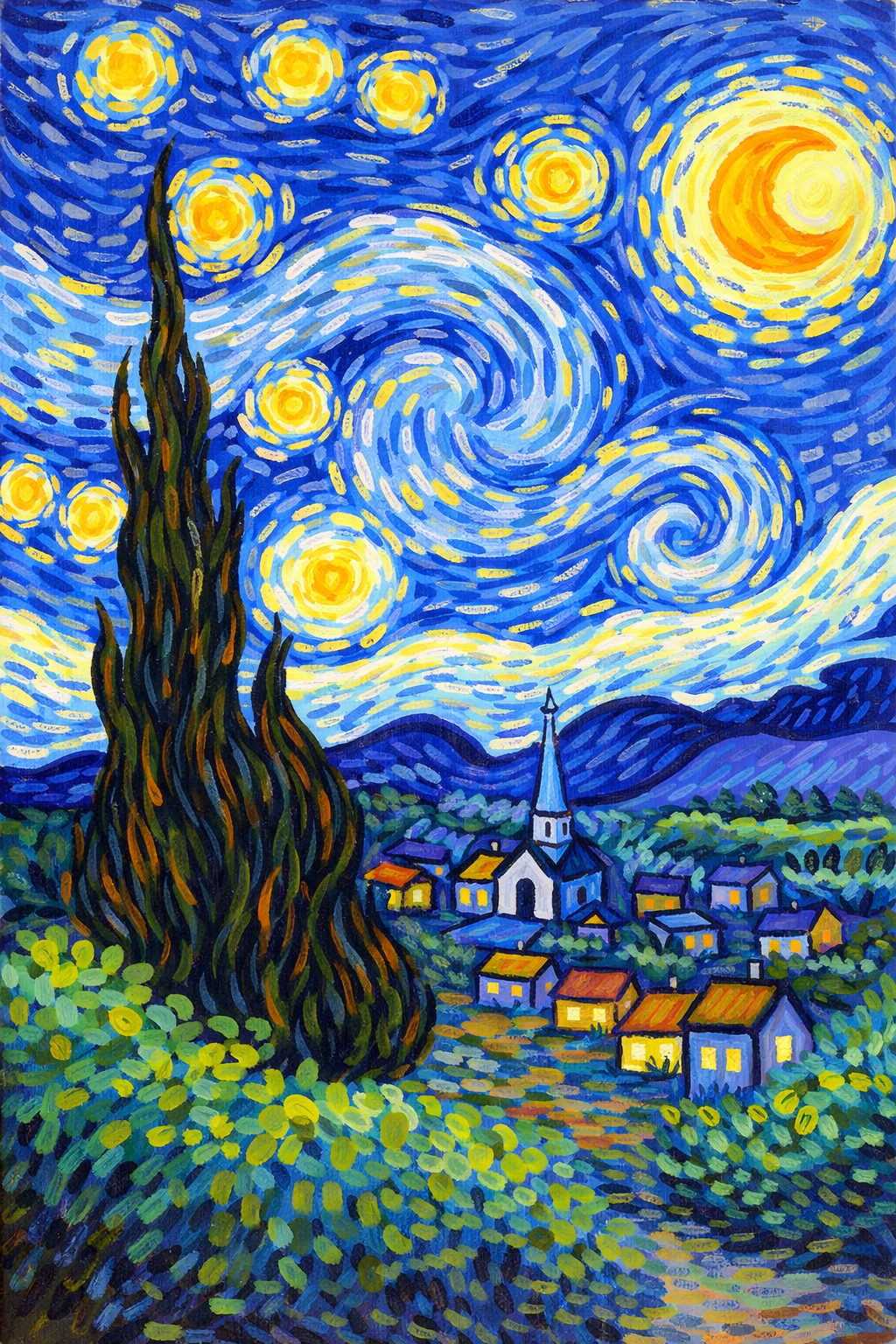 All primary school children have one art class a week on a chosen theme.
Our pupils discover different artists by observing their artwork and then trying to recreate these various artworks (paintings, sculptures, assemblages …).
Individually or in groups, pupils reproduce the artwork through copying the famous artist using various materials such as paper, plastic, wood, metal or textiles. Art classes give the opportunity to each child to express their artistic nature and creative skills, to build their confidence and to flourish by finishing a piece of artwork.
Sensory perception and artistic expression in the Kindergarten
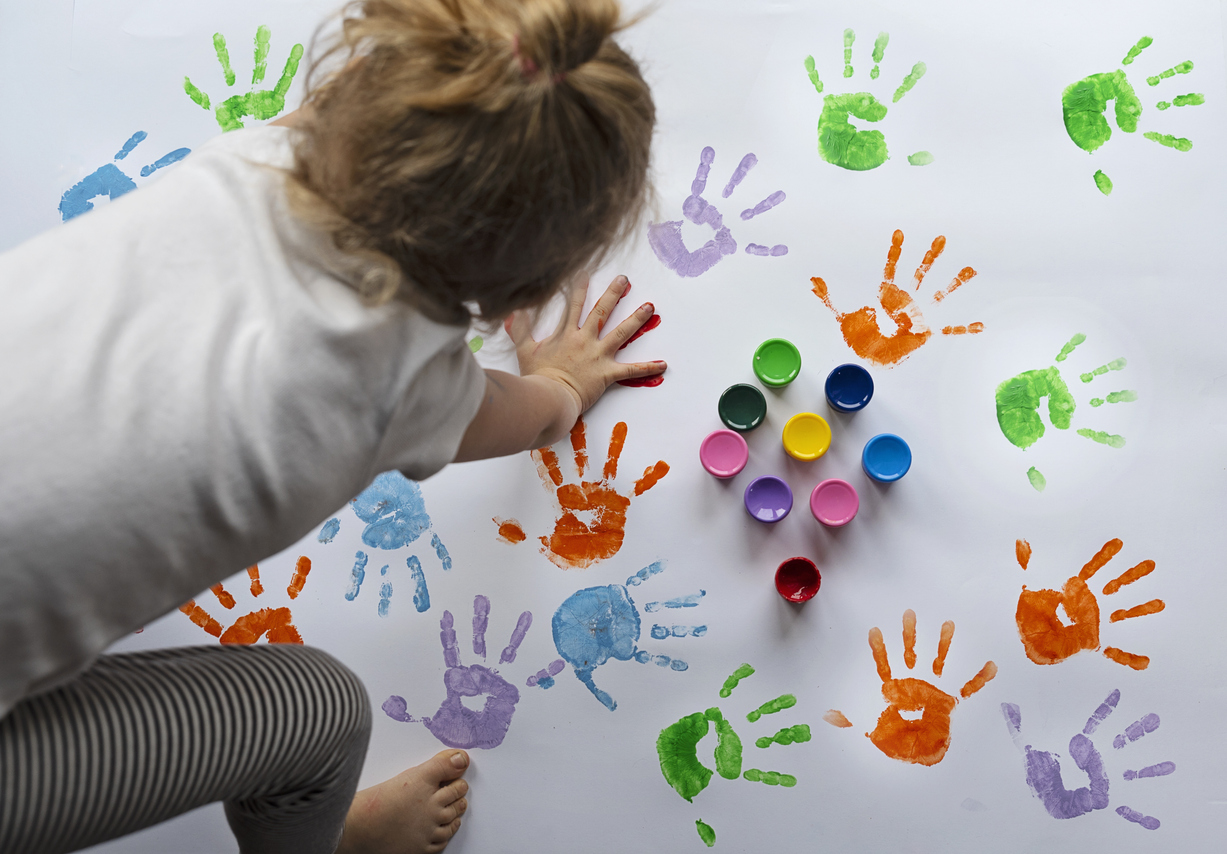
Children in TPS/PS, MS and GS classes of Kindergarten have body language expression classes once a week.
During the school year, they discover a different theme every term to exploit and develop their sensory and artistic perception through dance, music, theatre, relaxation, circus activities and team games.
The workshops also allow the children to discover the world outside their classroom –sports field, park, art classroom.
Children learn self-expression skills and develop their creativity around particular themes such as colours, emotions, animals, seasons, the 5 senses, all through fun and creative learning.
Spanish from CP to CM2
 All students in Primary have one hour of Spanish lessons a week.
Lessons are organised according to age-appropriate learning activties to work on vocab, pronunciation and listening skills.
Different themes are studied to discover new vocabulary such as school, days of the week, months of the year, numbers, colours, animals, the family, food and clothes.
For the CM classes, grammar, conjugations and Spanish civilization are covered.
Both fun and artistic activities are integrated into lessons to help promote the language learning process.
Educational Fieldtrips or Visits
 In connection with the themes studied during the year (annual theme in Kindergarten, History, Geography, Science, PE, etc. in Elementary), we organise various educational activities.
Within EPBI, depending on the educational project, we invite professionals to our classrooms to give presentations, and to lead discovery and experimentation workshops (storytelling, circus acts, food-tasting, festivals or shows, eco-citizenship course, etc.).Outdoor fieldtrips bring learning to life, as they give our pupils the opportunity to experience many discoveries and experiences on topics previously worked on during the year in the classroom.
These one-off events give meaning to learning, enrich our students’ general knowledge and create deeper pupil-teacher connections.
Chess Club from 6ème / MYP1 to 3eme/MYP5
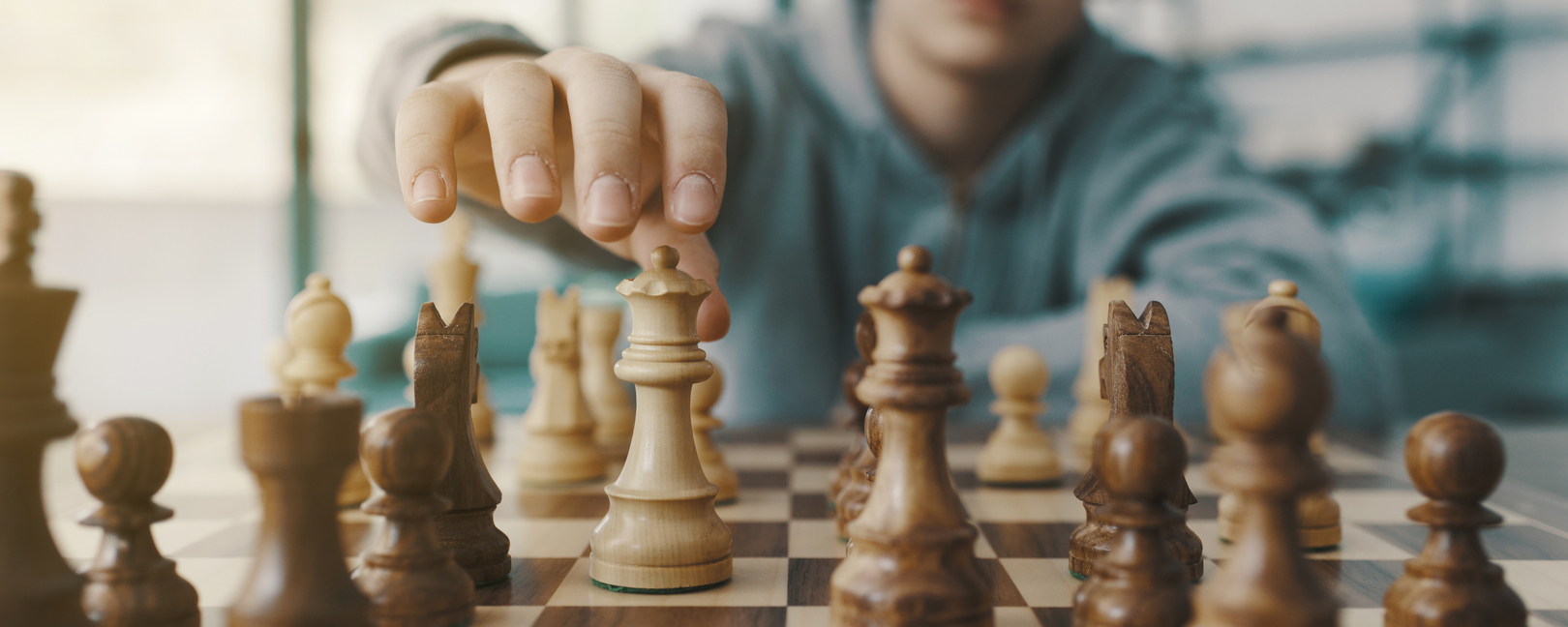 The club offers middle and high school students a stimulating environment to develop concentration, strategic thinking, and self-confidence, while enjoying the game of chess.
Each week, students participate in a course that combines theory, instruction, and practice, allowing them to progress at their own pace.
The club helps improve concentration, memory, decision-making, and stress management in a supportive and motivating environment. Whether beginners or experienced players, all students share their passion, progress together, and most importantly, enjoy playing.
Musical Theatre Club from 6ème / MYP1 to 3eme/MYP5
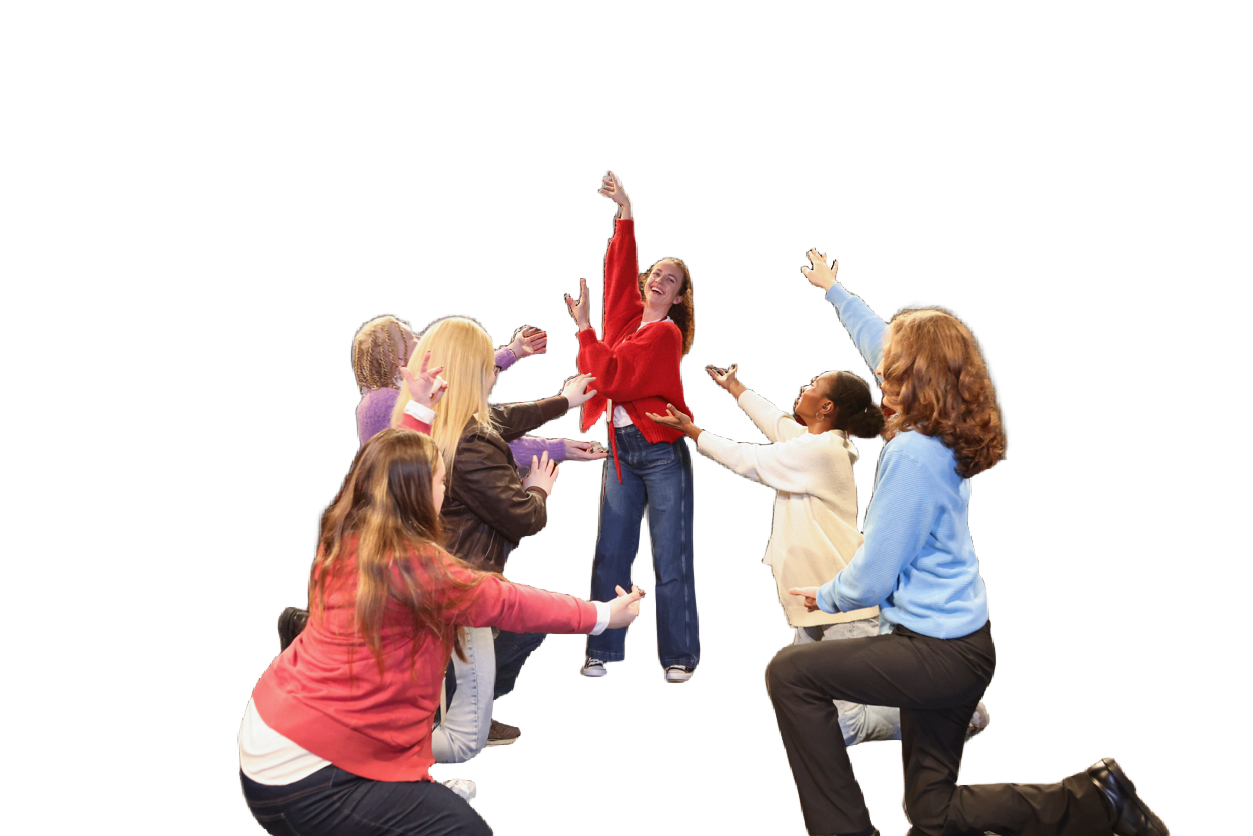
The Musical Theatre Club offers students a complete and stimulating artistic experience, combining singing, dancing, and acting. It allows young people to develop their creativity, confidence, and teamwork skills while discovering the exciting world of the stage.
Weekly sessions include a variety of activities: vocal warm-ups, staging workshops, improvisation games, choreography rehearsals, and work on selected scenes. At the end of the year, students present a final performance for families, celebrating their work and dedication.
Golf Club from 6ème / MYP1 to 3eme/MYP5
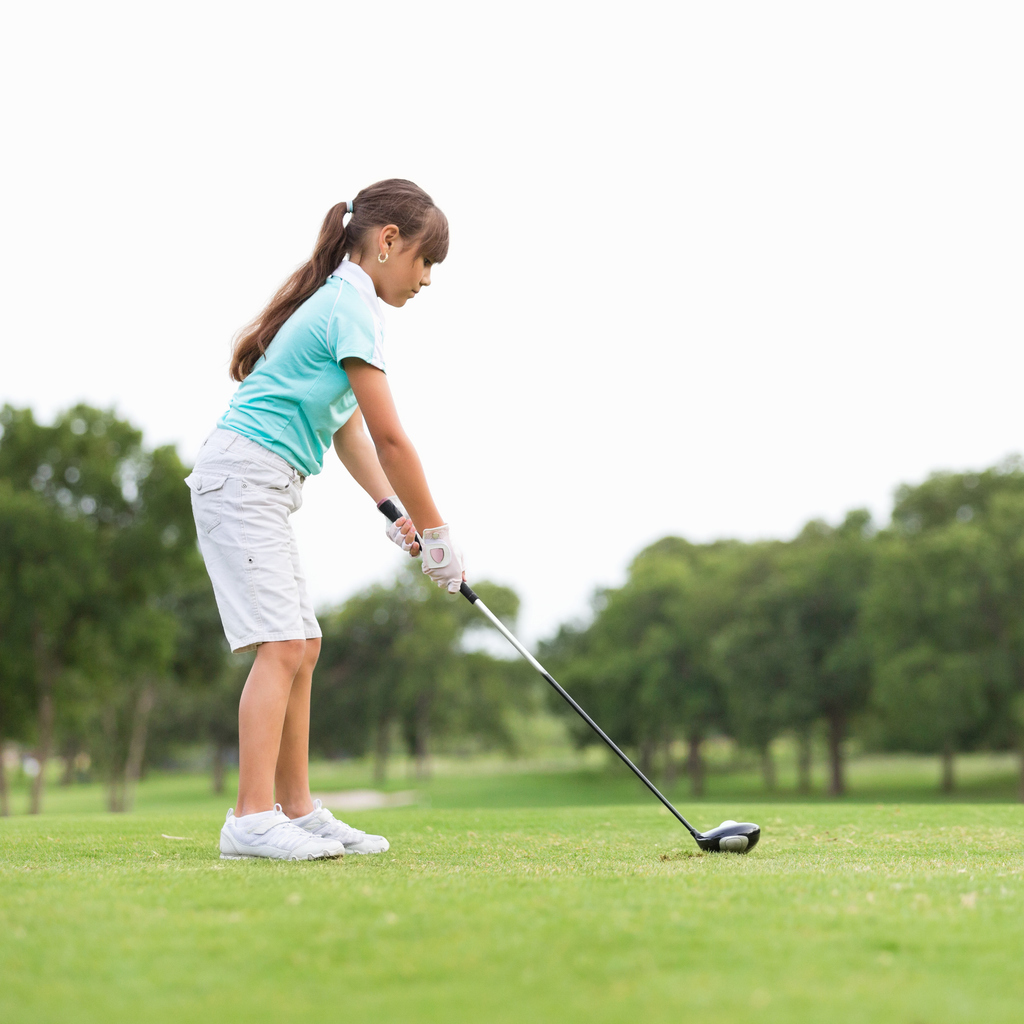 Playing golf helps teenagers develop concentration and sustained attention. It encourages self-discipline, autonomy, and respect for rules.
Golf improves coordination, balance, and fine motor skills.
It teaches stress management and emotional control in challenging situations. Practiced outdoors, it supports both physical and mental well-being.
Golf promotes strong values such as honesty, fair play, and respect for others.
It is accessible to a wide range of profiles and carries a low risk of injury.
Finally, it enhances social interaction, including intergenerational exchanges, and self-confidence.
Tennis/Padel Club from 6ème / MYP1 to 3eme/MYP5
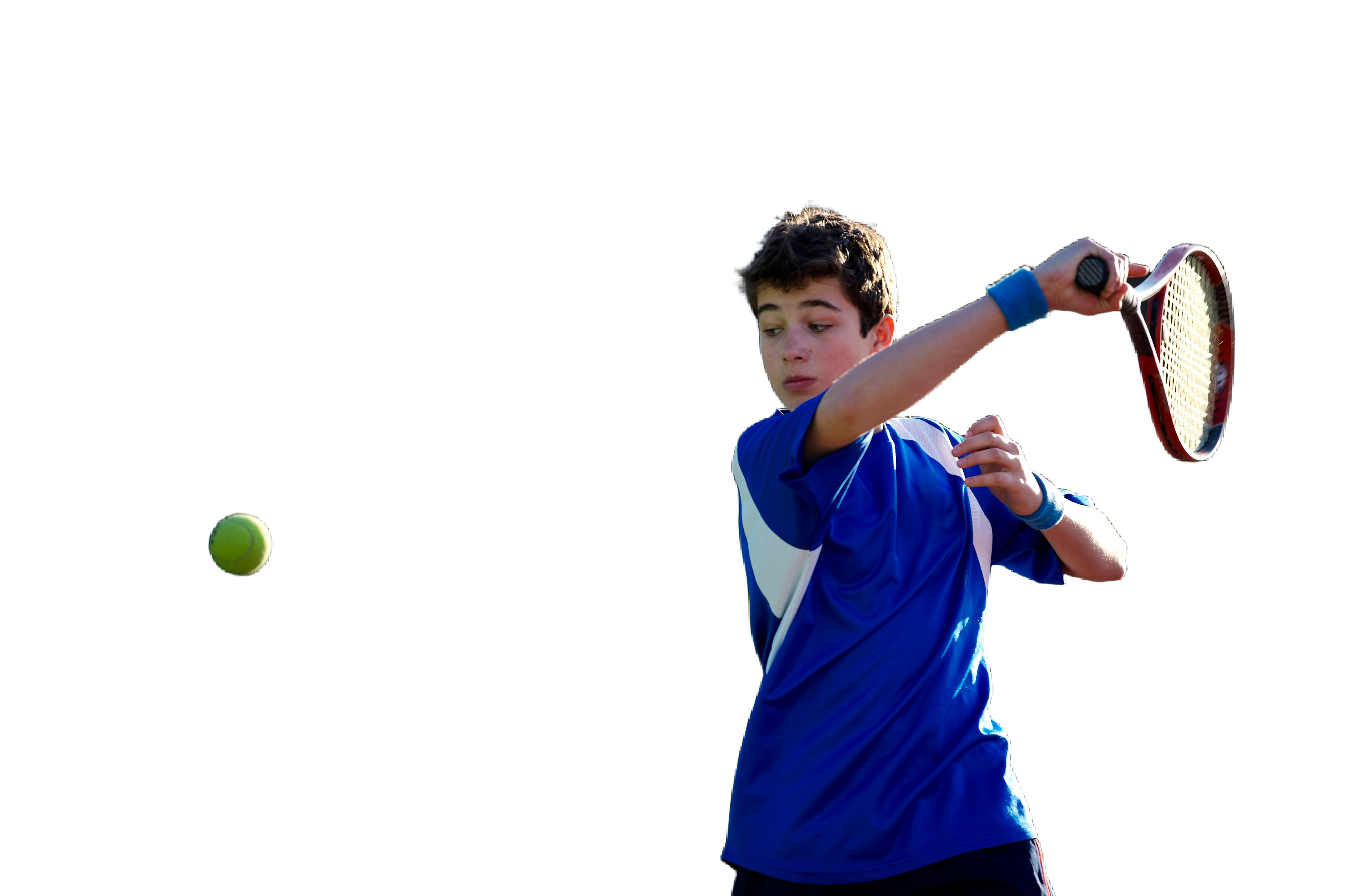 Playing tennis and padel helps adolescents develop overall physical fitness (endurance, coordination, reflexes).Itpromotes concentration, quick decision-making, and stress management during matches. These sports strengthen self-confidence through individual progress and achieved goals.
They instill strong educational values such as respect for rules, fair play, and perseverance. Padel,being highly collaborative, particularly encourages team spirit and communication. Tennis promotes autonomy and personal responsibility on the court.
Both sports contribute to emotional balance and better emotion management.
Finally, they provide a structured social environment, fostering integration and positive relationships.